
What is a Geomembrane Liner?
A geomembrane liner is a manufactured, low-permeability synthetic membrane used to control the movement of liquids, gases, or contaminants in civil, environmental, and industrial applications. Typically made from engineered polymers such as PVC, WCPE, R-PP, HDPE, LLDPE, or EPDM, geomembranes act as a critical barrier in systems like water reservoirs, canals, landfills, lagoons, and secondary containment. Their job is simple but non-negotiable: prevent leakage. The complexity lies in how that job is done—material formulation, thickness, flexibility, chemical resistance, seam strength, and installation method all determine long-term performance. When properly designed, fabricated, and installed, a geomembrane liner provides decades of reliable containment, protecting infrastructure, natural resources, and the environment from failure that would otherwise be invisible until it’s catastrophic. Common applications include agriculture applications, oilfields, and canals. EPI can make panels up to 40,000 square feet that we weld together and rigorously test to ensure top-quality liners for any geomembrane application.
Most Common Liner Types:
Geomembrane liners are used whenever you need to keep liquids in or out of somewhere. This is common when clean water and wastewater cannot be mixed. Other geomembrane applications include wastewater storage, hazardous material liners, and waterproofing liners. Because the mixture of fluids can be detrimental to the environment, we thoroughly test our geomembrane liners for both their physical and mechanical properties to ensure they are reliable.
Benefits Of A High-Quality Liner:
Factory fabrication improves geomembrane quality in ways the field simply cannot replicate, even with skilled installers.
First, critical seams are made in a controlled environment. Temperature, humidity, cleanliness, and alignment are stable in a factory. In the field, seams are exposed to wind, dust, moisture, uneven subgrades, and temperature swings—all of which directly affect weld consistency. Factory conditions eliminate those variables, producing stronger, more uniform seams with tighter tolerances.
Second, factory fabrication enables repeatable, documented processes. Equipment is calibrated on a schedule, technicians perform the same seam procedures day after day, and quality checks are built into production rather than added as an afterthought. That consistency translates into seam strength and peel values that are predictable, not hopeful.
Third, reducing field seams—often by up to 80%—dramatically lowers the number of potential failure points. Every seam is a risk; fewer field seams mean fewer opportunities for defects, pinholes, contamination, or incomplete fusion. This alone is one of the biggest quality improvements factory fabrication delivers.
Fourth, factory panelization allows for precision layout and fit. Panels are engineered to match project geometry before they arrive onsite, minimizing forced alignment, stretching, or awkward field welding that can introduce stress concentrations and long-term creep issues.
Finally, factory fabrication shifts quality control upstream. Defects are identified and corrected before shipment, not discovered under schedule pressure on a jobsite. The result is a liner system that installs faster, tests cleaner, and performs more reliably over its service life. In short: factory fabrication replaces field uncertainty with process control. And in containment systems, control is the whole game.
No matter what application you need a geomembrane for, EPI can help. Contact us today for more information.
Applications

Agriculture
Click Image For More Information

Canals
Click Image For More Information

Coal Ash Systems
Click Image For More Information

Evaporation Ponds
Click Image For More Information

Green Roofing
Click Image For More Information

Floating Covers
Click Image For More Information

Heap Leach Mining
Click Image For More Information
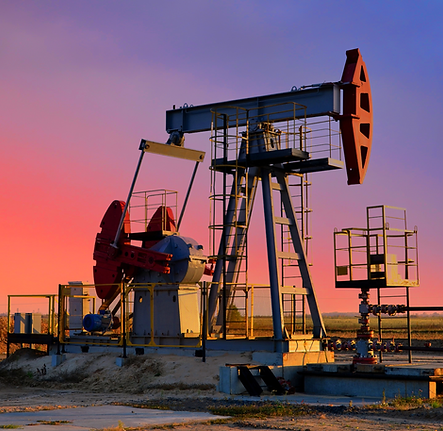
Oilfields
Click Image For More Information

Potable Water
Click Image For More Information

Decorative Ponds
Click Image For More Information

Process Water
Click Image For More Information

Remediation
Click Image For More Information

Secondary Containment
Click Image For More Information

Tank Liners
Click Image For More Information
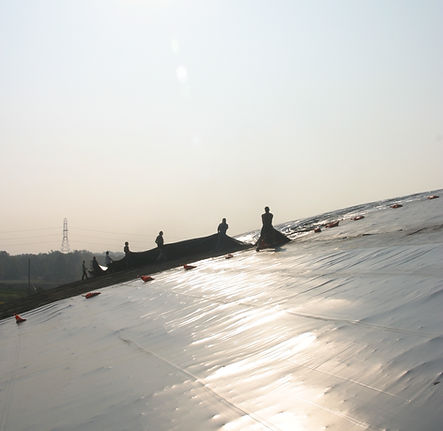
Temporary Covers
Click Image For More Information

Wastewater Lagoons
Click Image For More Information

Landfill Covers
Click Image For More Information